How Chinese Workshops Are Transforming GeForce RTX 4090 GPUs for AI Applications
Recent developments in the graphics card market have highlighted a growing trend: Chinese workshops are converting NVIDIA GeForce RTX 4090 gaming GPUs into high-performance AI accelerators by significantly increasing their memory capacity. This process, recently showcased in a detailed video by Russian technician and modder VIK-on, demonstrates both the technical complexity and the ingenuity behind these modifications.
Inside the RTX 4090 Memory Upgrade Process
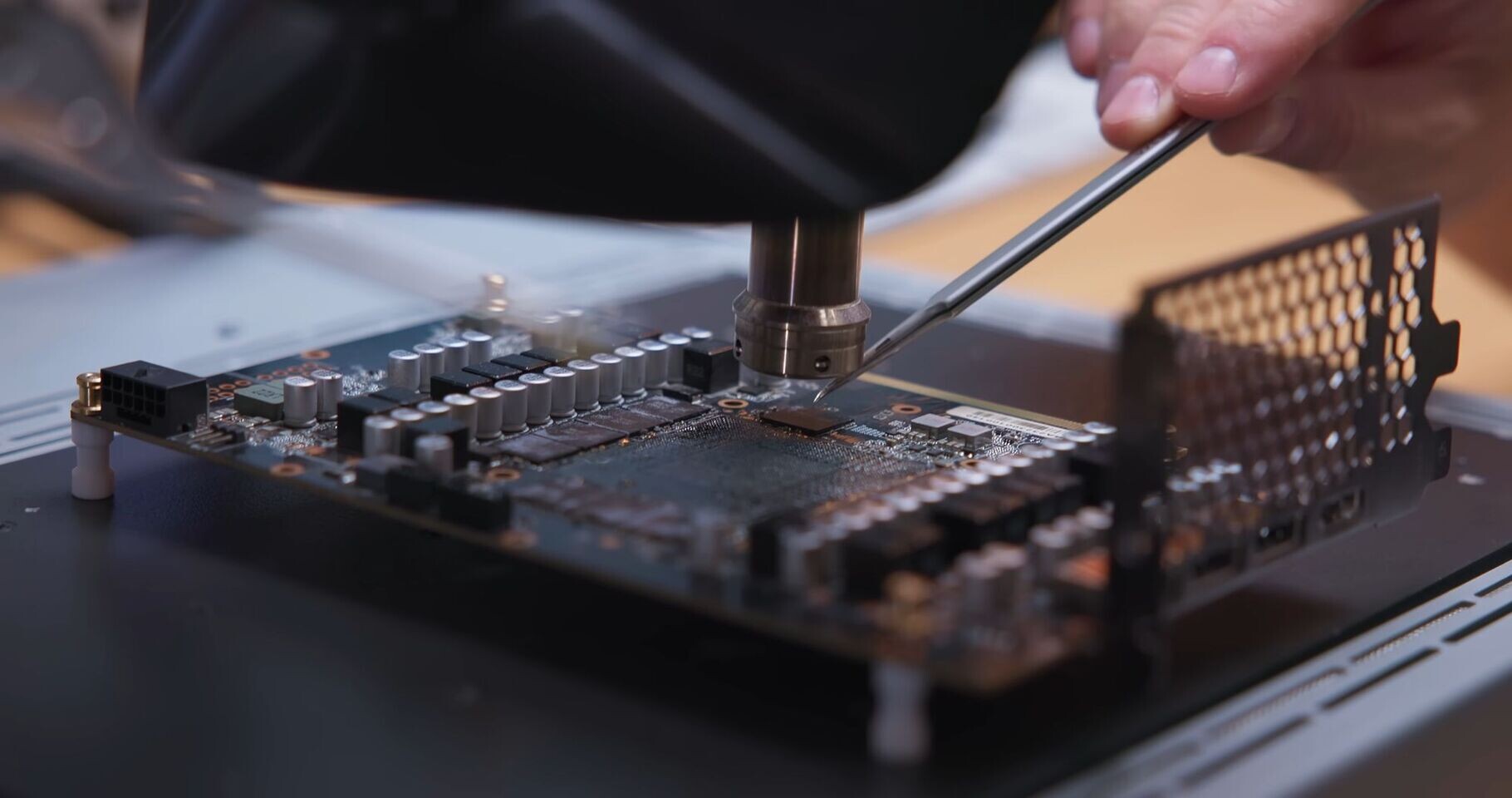
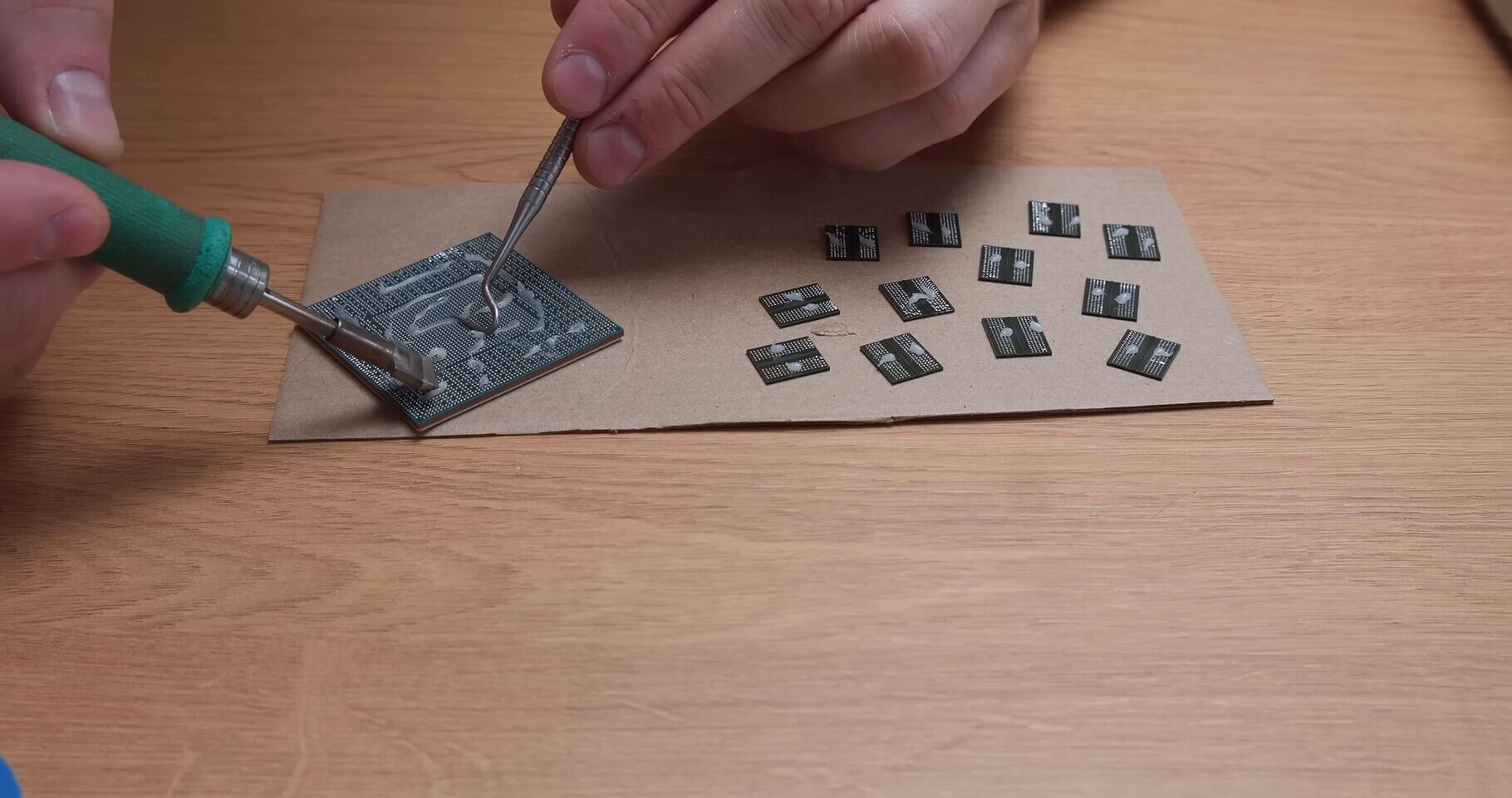
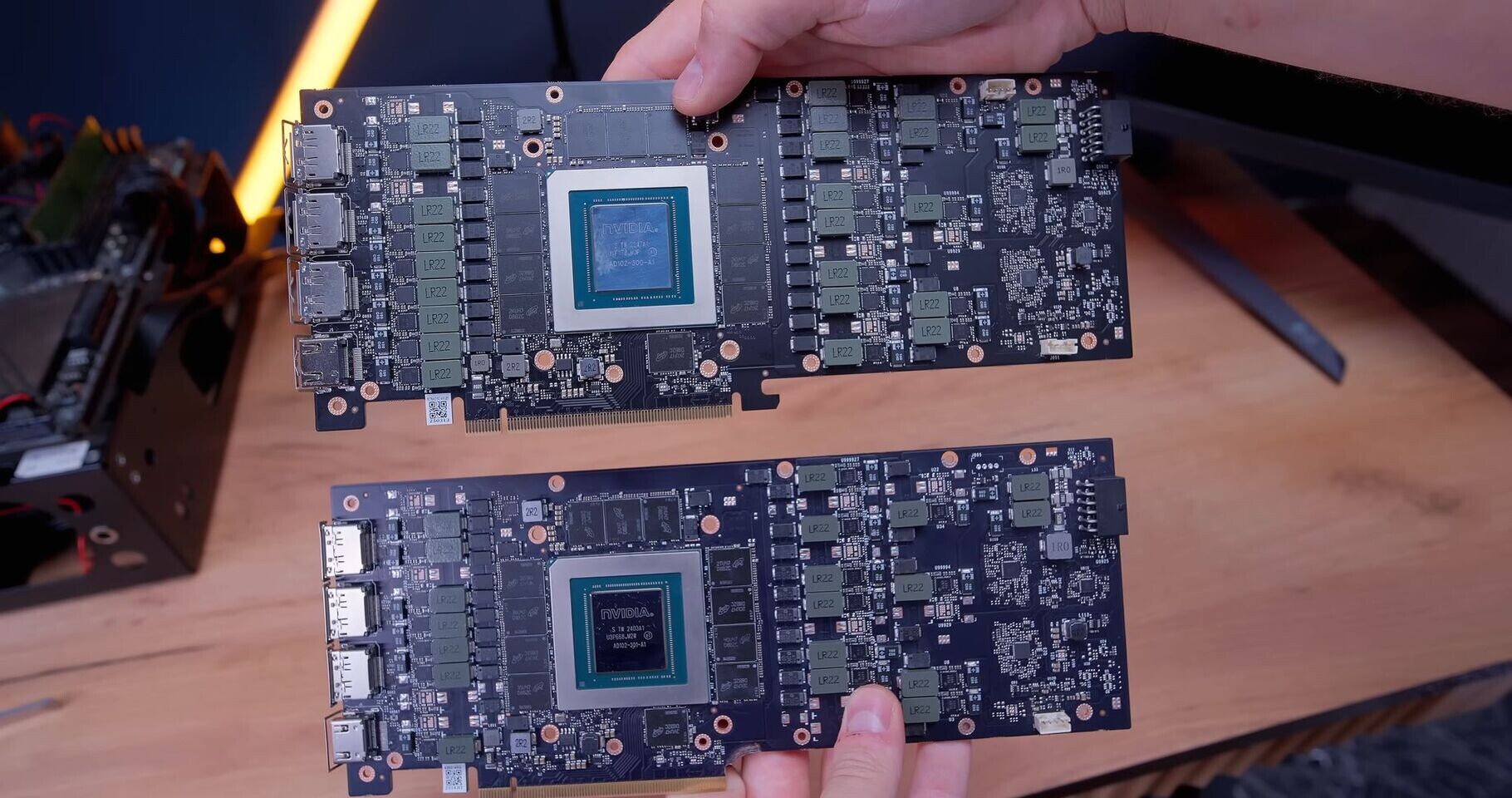
The conversion begins with a donor card, such as the MSI RTX 4090 Suprim. Technicians carefully remove the AD102 GPU package and the original set of twelve 2 GB GDDR6X memory chips. These components are then transferred onto a custom-designed clamshell PCB, which is engineered to support memory modules on both sides of the board. This design effectively doubles the available memory, making the card more suitable for demanding AI workloads.
To ensure proper cooling in multi-GPU server environments, the modified cards are paired with blower-style coolers. The process also involves loading custom firmware, allowing the system to recognize and utilize the expanded memory capacity. This combination of advanced soldering, factory-level board work, and precise firmware modification requires significant technical expertise and specialized equipment.
Custom PCBs and the Economics of GPU Conversion
For those interested in attempting this upgrade, custom PCBs with clamshell memory support are available for purchase. These boards typically come with most passive components pre-installed, streamlining the assembly process. However, the GPU and memory chips must still be reflowed or hand-soldered onto the new board—a task that demands both expensive tools and a high level of skill.
Many workshops source GDDR6X memory chips from defective cards or acquire them at reduced prices, helping to lower overall costs. The clamshell PCB kit itself is priced at around $140 in China, with the total cost for a do-it-yourself upgrade reaching approximately $430 before shipping. Despite these savings, the conversion process remains complex and is not recommended for beginners.
Risks and Market Impact of Modified RTX 4090 Cards
While these modifications can unlock new capabilities for AI research and development, they also have broader implications for the GPU market. Converting large numbers of consumer graphics cards for AI use can reduce the supply available to gamers. Additionally, modified or stripped boards may reappear on the second-hand market, potentially catching buyers off guard.
It is important to note that these customized GPUs may not meet standard reliability or warranty requirements. Under sustained workloads, modified cards can experience malfunctions or reduced performance. As a result, most users are advised to avoid purchasing customized GPUs unless they have a clear understanding of the risks and compatibility challenges involved.
Nevertheless, the fact that such conversions are possible highlights the adaptability of modern graphics hardware and the resourcefulness of the global modding community.