Intel Enhances Mesa 3D Graphics Stack for Upcoming Xe3 iGPUs
Intel engineers have recently merged 14 significant compiler patches into the Mesa 3D graphics stack, targeting performance improvements for the upcoming Xe3 integrated GPUs (iGPUs) featured in the next-generation Core Ultra Series 3 "Panther Lake" mobile processors. These updates are designed to address performance regressions and optimize the graphics experience for Linux users as Panther Lake hardware approaches release.
Key Compiler Improvements for Xe3 GPUs
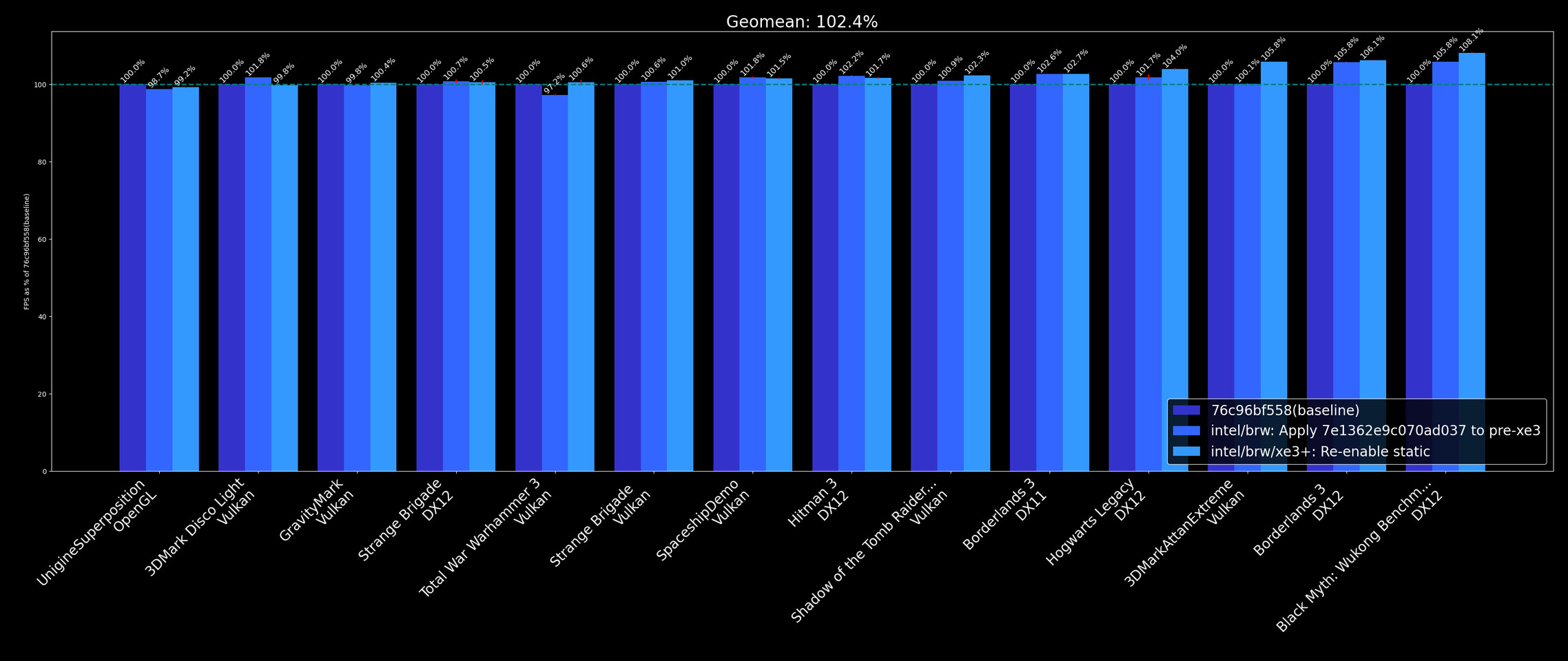
The new patches focus on enhancing compiler scheduling and thread-level parallelism. By reintroducing conservative static-analysis heuristics specifically tuned for Xe3 GPU architecture, Intel has managed to deliver notable performance gains. Internal lab testing at Intel demonstrated that peak gaming performance increased by up to 18%, with many gaming scenarios seeing improvements in the mid-to-high single-digit percentage range.
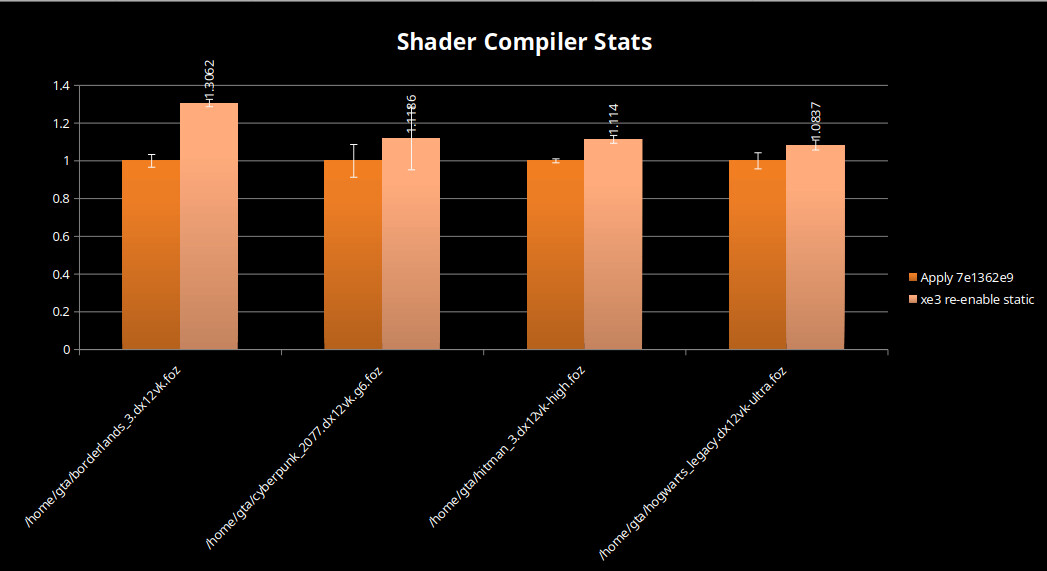
These runtime gains come with a trade-off: shader pre-compilation workloads, as measured by shader-db benchmarks, increased by approximately 25%. Despite the longer compile times, Intel determined that the real-world frame-time benefits for gamers and end users outweighed the compile-time penalty.
Availability and Backports for Linux Users
The performance patches are already included in Mesa version 25.3, and maintainers are planning to backport them to the stable 25.2 branch. This proactive approach ensures that Linux users will benefit from the improvements and avoid potential regressions as Panther Lake laptops and devices become available. Users and Linux distributions can expect updated Mesa packages or backports to roll out in the weeks following the hardware launch.
Ongoing Stability Investigations
While the performance enhancements are promising, field testing has uncovered some stability issues that are still under investigation. During capture runs, a few games experienced periodic GPU hangs, and one particularly demanding title was excluded from certain test sequences after repeatedly causing hardware hangs. Intel and open-source contributors are actively debugging these issues to ensure a stable experience for end users.
Due to the proprietary nature of Windows GPU drivers, comparable public performance data for Panther Lake on Windows is not available, making direct cross-platform comparisons challenging. For Linux users planning to purchase Panther Lake-based laptops, keeping Mesa drivers up to date will be essential to take full advantage of the latest optimizations and avoid regressions.
Looking Ahead: Best Practices for Panther Lake Adoption
Intel’s ongoing work on the Mesa 3D graphics stack highlights the importance of up-to-date drivers for optimal performance and stability on new hardware. As the Panther Lake PTL-H and PTL-U SKUs launch later this year, users are encouraged to ensure their systems are running the latest Mesa releases to experience the full benefits of these engineering efforts.
The accompanying performance graphs illustrate the uplift in gaming performance (blue) and the increase in shader compilation workload (orange) resulting from these new patches.