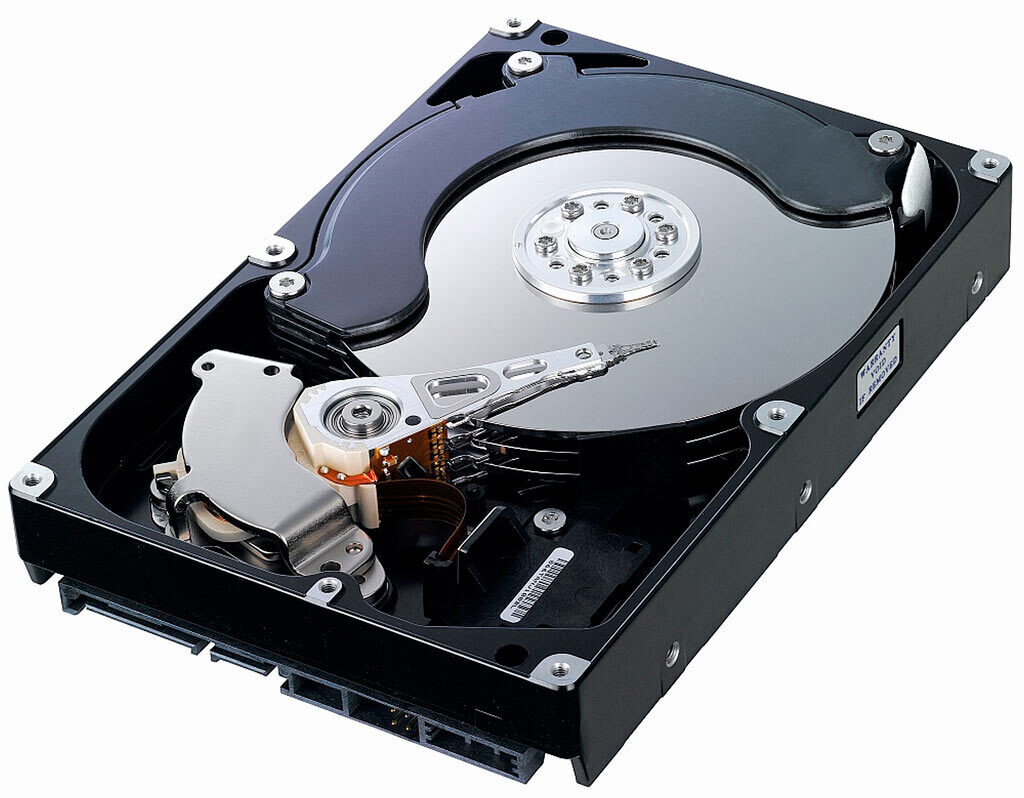
Rising Demand for HDDs and SSDs Driven by AI Data Centers
Hard Disk Drives (HDDs) and Solid State Drives (SSDs) have become essential components in today’s computing landscape, largely due to the rapid expansion of AI data centers. Industry leaders such as Seagate, SanDisk, and Western Digital report that demand for storage devices is so intense that customers are now entering into long-term supply agreements, some lasting up to five years. This shift reflects a strategic approach to managing future growth, as organizations anticipate ongoing increases in storage requirements.
Long-Term Contracts Reshape the Storage Supply Chain
The move toward multi-year contracts is significant for both customers and manufacturers. By locking in supply agreements, customers ensure access to critical storage resources, while manufacturers gain clearer visibility into future demand. This predictability allows HDD and SSD producers to optimize their production of spinning disks and NAND Flash, leading to a more balanced and resilient supply chain over time. As production capacity expands to meet these needs, the overall health of the storage market is expected to improve.
Short-Term Challenges for PC Gamers and Consumers
While these developments benefit the enterprise sector, they present immediate challenges for PC gamers and general consumers. Since the beginning of the year, HDD prices have surged by an average of 46% compared to mid-September. The situation is even more pronounced for SSDs, with NAND Flash prices increasing by as much as 500% in just a few months. The aggressive procurement by AI data centers has depleted inventories, leaving fewer drives available for the consumer market and driving up prices for gaming PCs and personal devices.
Understanding the Factors Behind Price Increases
Interestingly, the price hikes for HDDs are not directly tied to the semiconductor industry. While HDDs do contain silicon-based controllers, the platters themselves are made from materials that are not currently in short supply. Instead, the primary driver of higher prices is the overwhelming demand, particularly for high-capacity HDDs. Major U.S. cloud service providers and hyperscale data centers are leading this surge, acquiring large volumes of storage to support AI, analytics, and archival workloads.
AI Infrastructure Fuels Storage Market Growth
The expansion of AI infrastructure is a key factor behind the current storage market dynamics. Training advanced AI models requires vast amounts of data storage, prompting AI labs and cloud operators to invest heavily in both HDD and SSD solutions. While SSDs offer superior speed, HDDs remain a preferred choice for applications where capacity and cost-effectiveness are more important than performance. Additionally, concerns about SSD data retention have led some organizations and policymakers to favor HDDs for specific workloads, further boosting demand.
As manufacturers report near-full utilization rates and storage demand extends beyond traditional uses like surveillance and backup, the storage industry is undergoing a significant transformation. The ongoing evolution of AI and cloud computing will continue to shape the market for HDDs and SSDs, influencing pricing, availability, and technology development in the years ahead.