AMD Reinstates Transparent Secure Memory Encryption on Consumer Ryzen Processors
AMD has reversed its earlier decision to disable Transparent Secure Memory Encryption (TSME) on its consumer Ryzen processors. This hardware-based security feature, which encrypts system memory to enhance data protection, was previously enabled by default on Ryzen CPUs. However, in April, AMD quietly removed TSME support from consumer Ryzen chips through an AGESA update distributed via motherboard firmware updates.
Background: TSME and Its Role in Processor Security
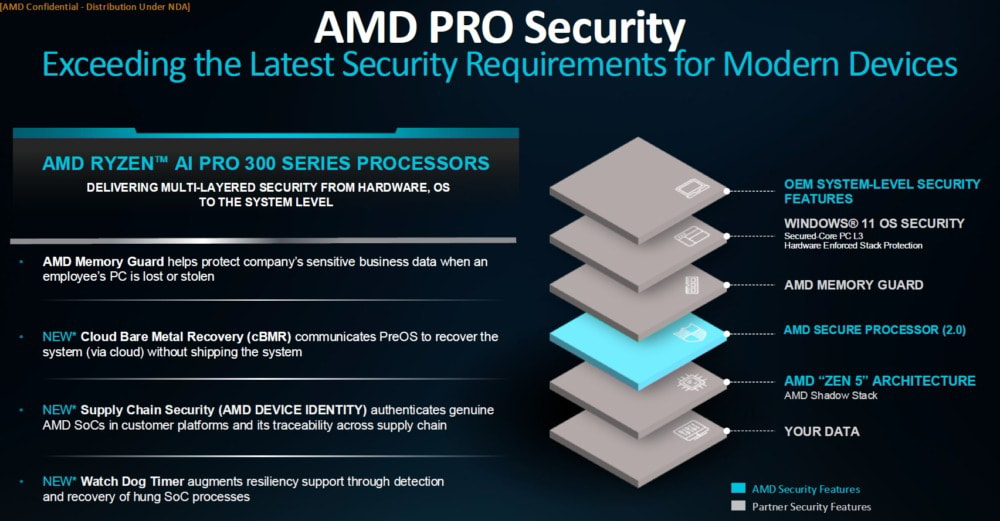
TSME is a critical security technology that leverages dedicated hardware within the processor to encrypt the contents of system memory. This additional layer of protection helps safeguard sensitive data against physical attacks and unauthorized access. While TSME has been a standard feature on both consumer and commercial Ryzen processors due to their shared IOD (I/O Die) design, AMD initially planned to restrict TSME to its commercial Ryzen PRO lineup, Ryzen Threadripper WX workstation CPUs, and EPYC server processors.
For comparison, Intel offers a similar memory encryption feature, Total Memory Encryption-Multi-Key (TME-MK), across its consumer and commercial Core processors, not just its enterprise-focused Core vPro series. This industry trend highlights the growing importance of hardware-based memory encryption for both consumer and professional users.
Community Feedback Drives AMD’s Decision
AMD’s decision to restore TSME support on consumer Ryzen processors comes in response to significant community feedback. The company has announced that users can expect new UEFI firmware updates starting in July 2026, which will re-enable the TSME feature on supported Ryzen CPUs.
In a statement provided to Tom’s Hardware, AMD clarified its position: “AMD Memory Guard (Transparent Secure Memory Encryption, or TSME) is a hardware-based memory encryption technology available on our Ryzen PRO desktop and mobile processors where supported in silicon. It is a foundational security feature, and we have no plans to remove support from our Ryzen PRO lineup. This commitment holds now and in the future.”
Regarding the recent removal of the Memory Guard BIOS option on certain non-PRO Ryzen 9000-series desktop processors, AMD confirmed: “Based on valuable community feedback, we will reinstate this option in an upcoming BIOS release in July.”
What This Means for Ryzen Users
The reinstatement of TSME on consumer Ryzen processors ensures that users continue to benefit from advanced memory encryption, aligning AMD’s offerings with industry standards and user expectations. This move reinforces AMD’s commitment to security and responsiveness to its user community, providing peace of mind for both everyday consumers and professionals who rely on robust data protection.